Why Skin Develops Dark Spots and Dullness
Pigmentation concerns usually develop when melanin production becomes uneven. This can happen after inflammation, prolonged sun exposure, or hormonal changes. Instead of fading evenly, pigment collects in certain areas, leading to visible spots or patches.
At the same time, dullness tends to build gradually. Dead skin cells accumulate on the surface, slowing down the natural renewal process. As this layer thickens, skin reflects less light and starts to appear flat or uneven.
When both issues occur together, the skin can appear discolored and lack brightness, which is why treatments that address both tone and texture tend to be the most effective.
How Chemical Peels Target Pigmentation at the Source
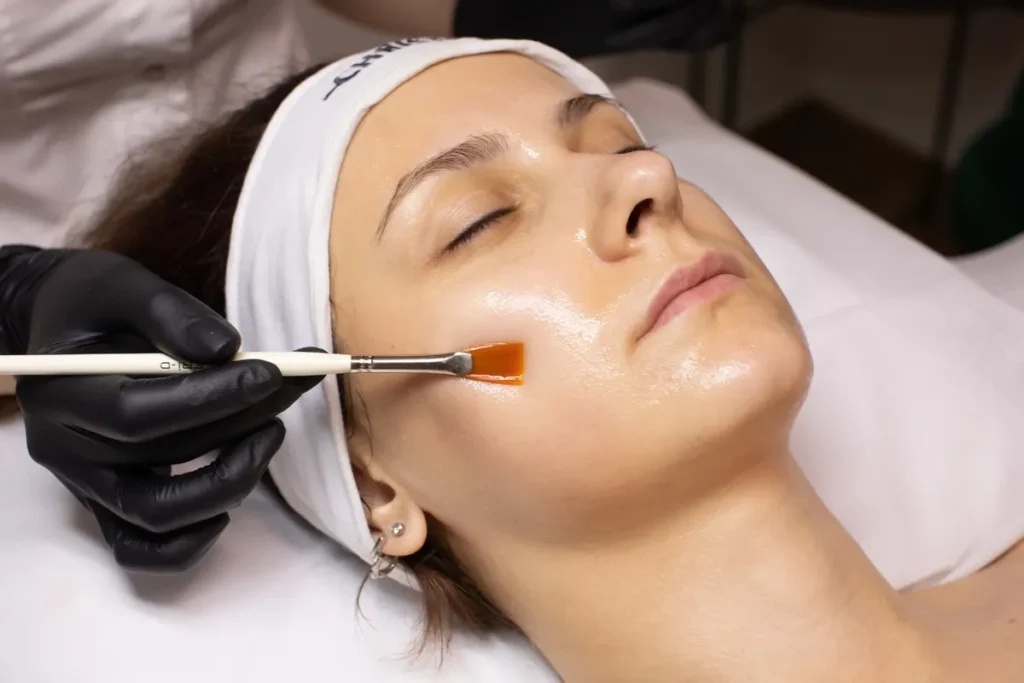
Chemical peels work by applying a controlled solution to the skin. This will encourage exfoliation at a deeper level than at-home products. The chemical peel process removes damaged surface layers and stimulates the regeneration of new skin cells.
For pigmentation concerns, this approach helps in several ways:
- Pigmented cells are gradually lifted away as the skin renews
- Cell turnover increases, allowing discoloration to fade more evenly
- Skin texture improves, which enhances how light reflects across the surface
This is why many consider chemical peels as the best treatment for hyperpigmentation and uneven skin tone, especially when paired with a consistent treatment plan.
What to Expect When Treating Sun Spots and Pigmentation
Sun spots are one of the most common concerns addressed with peels. These spots form after repeated UV exposure and tend to linger without targeted treatment.
A chemical peel for sun spots and pigmentation works by gradually reducing the visibility of these areas through repeated exfoliation cycles. Each session builds on the previous one, helping the skin appear more balanced over time.
Instead of removing pigment all at once, the process is progressive. This approach supports more natural-looking results and reduces the risk of irritation when performed correctly.
Consistency plays a key role. A single treatment can improve brightness, but a series is typically recommended for noticeable fading of deeper spots.
Addressing Melasma and Stubborn Dark Patches
Melasma presents a more complex challenge. It often appears as larger, patchy areas of pigmentation. This condition is also closely linked to hormonal activity and sun exposure.
A professional treatment for melasma and dark patches using Chemical Peels requires a careful and personalized approach. Aggressive treatments can sometimes worsen pigmentation, so the focus is on gradual improvement rather than rapid correction.
When done properly, peels can help:
- Soften the appearance of patchy discoloration
- Improve overall tone without triggering further pigment production
- Support better absorption of complementary skincare products
Sun protection becomes essential in this process, as untreated UV exposure can quickly reverse progress.
How Chemical Peels Restore Skin Radiance
Dull skin often responds quickly to exfoliation-based treatments. When the outer layer of dead skin is removed, the newer skin underneath reflects light more evenly.
This is where many patients begin to notice early benefits. Even lighter peels can improve skin radiance with chemical peel treatments by:
- Smoothing rough texture: Helps even out uneven skin by removing dead, dry layers that make the surface feel coarse.
- Reducing surface buildup: Clears away accumulated dead skin cells, oil, and debris that can make the skin look dull.
- Producing a more refined, polished appearance: Enhances overall skin clarity and brightness, giving it a cleaner and more even look.
The outcome is not just brighter skin, but a complexion that looks healthier and more refreshed overall.
Treating Rough Texture and Acne Marks
Beyond pigmentation, Chemical Peels are also commonly used as a treatment for rough skin and acne marks. Past breakouts often leave behind uneven texture along with discoloration, making the skin feel and look less smooth.
Peels help address this by encouraging the skin to shed damaged layers while promoting regeneration underneath.
Over time, this can lead to:
- Softer skin texture: Encourages smoother skin by promoting new cell turnover and reducing rough or uneven areas.
- Reduced appearance of post-acne marks: Gradually fades lingering discoloration left behind by breakouts.
- More even tone across previously affected areas: Helps balance skin color so treated areas blend more naturally with the surrounding skin.
Choosing the Right Depth and Approach
Not all peels are designed the same way. The depth of the peel determines how deeply it penetrates and what concerns it can address.
- Light peels: Focus on surface-level dullness and mild discoloration.
- Medium-depth peels: Target more visible pigmentation and texture concerns.
- Customized treatments: Combine different acids to match specific skin needs.
Selecting the appropriate peel depends on skin type, sensitivity, and the nature of the concern. A tailored plan helps minimize irritation while still delivering steady improvement.
What Results Typically Look Like Over Time
Chemical peels are not a one-time solution. Their strength lies in gradual, consistent improvement.
With a proper treatment plan, many of our chemical peel patients notice:
- Brighter overall complexion after early sessions
- Gradual fading of dark spots over time
- Smoother texture and more even tone
- A healthier, more refreshed appearance
Maintenance treatments may be recommended depending on lifestyle factors and ongoing skin concerns.
The Importance of Aftercare
Post-treatment care plays a significant role in maintaining results. After a peel, the skin becomes more sensitive and requires protection to prevent new pigmentation from forming.
Key aftercare steps include:
- Daily use of broad-spectrum sunscreen
- Avoiding direct sun exposure during the healing phase
- Keeping the skin hydrated and supported with gentle products
- Following professional guidance on skincare routines
Neglecting these steps can slow progress or lead to recurring discoloration.
Xanadu Med Spa’s Facial Peel in Fort Collins, CO
For those considering a facial peel in Fort Collins, CO, Xanadu Med Spa offers a setting focused on both results and overall experience.
We have a unique approach that centers on helping our patients reconnect with a sense of balance in how they look and feel. The environment is designed to support relaxation while treatments are carried out with attention to detail and safety.
At Xanadu Med Spa, our team provides services that extend beyond surface-level care. Clients have access to advanced techniques and modern technology supported by a team of licensed professionals committed to ongoing education and thoughtful treatment planning.
Reveal brighter, smoother skin. Book your chemical peel today.
Frequently Asked Questions
How many chemical peel sessions are needed to see results?
Most people notice improvement after one session, but a series of treatments is usually recommended for more visible and lasting results.
Are chemical peels safe for all skin types?
Chemical peels can be customized for different skin types, though professional evaluation is important to choose the right formulation.
Is there downtime after a chemical peel?
Downtime varies depending on the peel depth, ranging from mild flaking to several days of visible peeling.
Can chemical peels help with both acne and pigmentation at the same time?
Yes, chemical peels can target multiple concerns by improving skin texture while also reducing discoloration.